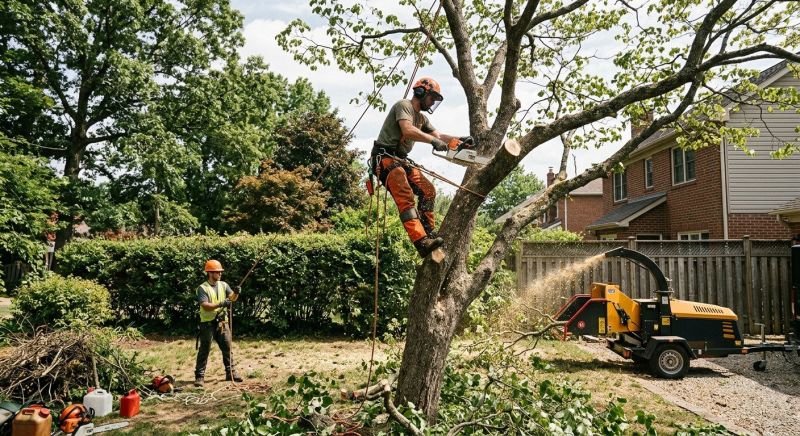
Cherry Tree Removal in Montgomery County, PA
Cherry tree removal services involve the careful elimination of cherry trees that are diseased, damaged, or no longer suitable for a property. These projects typically include removing mature trees that may pose safety risks, clearing space for new landscaping, or addressing issues caused by pests or decay. Property owners often seek this service to improve the safety and appearance of their yards, especially when trees are interfering with structures, power lines, or other plants.
Before requesting cherry tree removal, property owners should consider the size and location of the tree, as well as any potential impact on surrounding plants or structures. It is important to understand the process involved, including how the tree will be safely cut and removed, and whether any permits or notifications are required by local regulations. Proper planning ensures the removal is completed efficiently and minimizes disruption to the property.
Many property owners in Montgomery County, PA look into Cherry Tree Removal for repairs, replacements, upgrades, and appearance-related improvements.

Reasons For Cherry Tree Removal
Removing damaged or diseased cherry trees helps maintain the health and safety of your property.
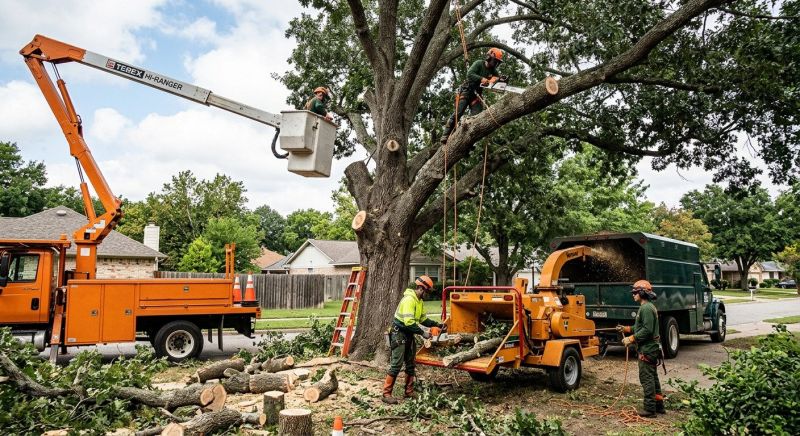
Cherry Tree Removal Process
The process involves safely cutting and removing the tree while minimizing impact on the surrounding landscape.
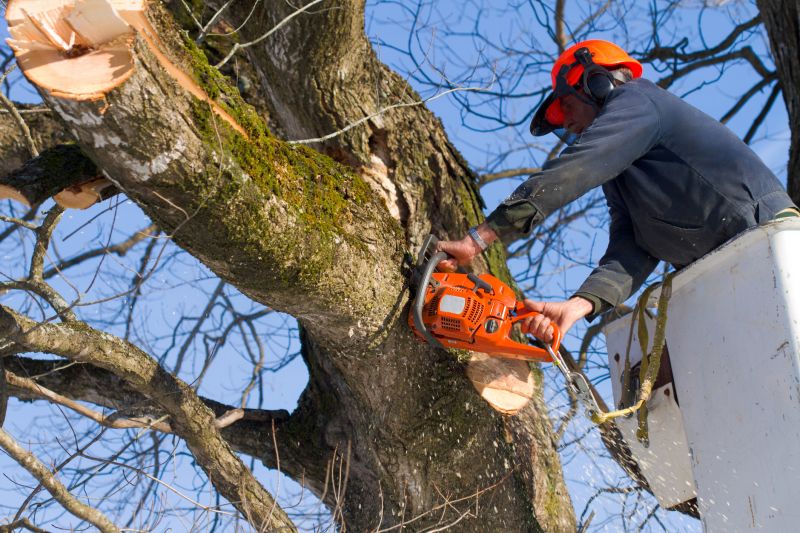
Property Benefits Of Cherry Tree Removal
Removing unwanted cherry trees can improve curb appeal and create space for new landscaping projects in montgomery county, pa.
Cherry Tree Removal in Montgomery County, PA
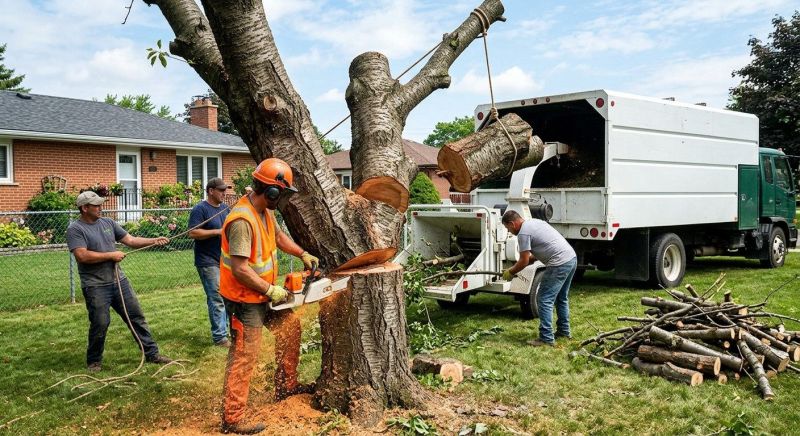
Cherry tree removal services involve the careful elimination of cherry trees that are diseased, damaged, or no longer suitable for a property. These projects typically include removing mature trees that may pose safety risks, clearing space for new landscaping, or addressing issues caused by pests or decay. Property owners often seek this service to improve the safety and appearance of their yards, especially when trees are interfering with structures, power lines, or other plants.
Before requesting cherry tree removal, property owners should consider the size and location of the tree, as well as any potential impact on surrounding plants or structures. It is important to understand the process involved, including how the tree will be safely cut and removed, and whether any permits or notifications are required by local regulations. Proper planning ensures the removal is completed efficiently and minimizes disruption to the property.
Many property owners in Montgomery County, PA look into Cherry Tree Removal for repairs, replacements, upgrades, and appearance-related improvements.
Common Cherry Tree Removal Jobs
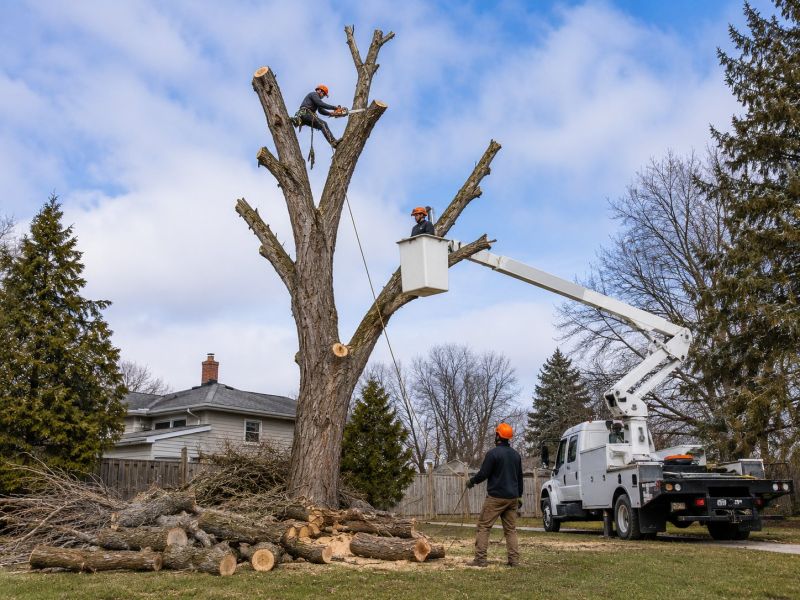
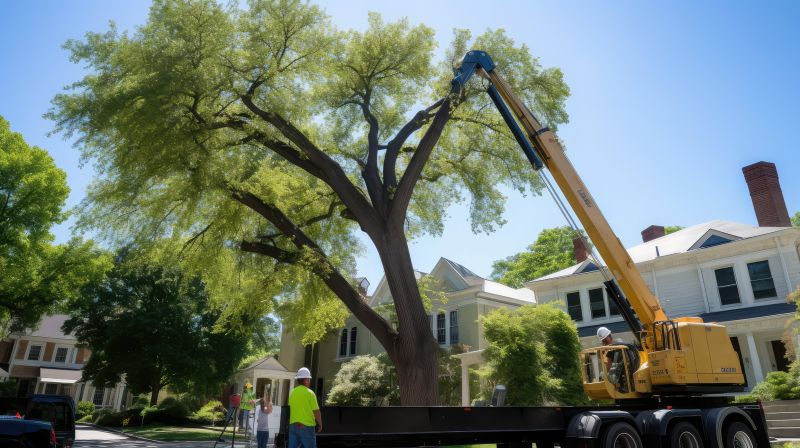
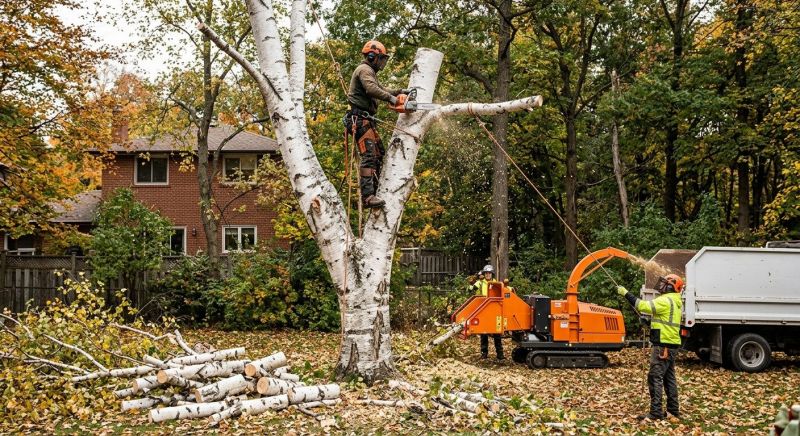
Cherry Tree Removal - safely removing mature cherry trees to prevent property damage.
Stump Grinding - eliminating tree stumps after cherry tree removal for a clean landscape.
Emergency Tree Removal - addressing hazardous cherry trees that pose safety risks.
Selective Tree Removal - removing specific cherry trees while preserving surrounding landscape.
Tree Crown Reduction - reducing the size of cherry trees to improve health and safety.
Land Clearing - removing multiple cherry trees to prepare property for development or landscaping.
Cherry Tree Removal Questions
When is cherry tree removal necessary? Removal is recommended when a tree poses safety risks, is severely damaged, or is causing property issues.
What should property owners consider before removing a cherry tree? Consider the tree’s location, size, and potential impact on surrounding structures or landscaping.
Are there any regulations or permits needed for cherry tree removal? Local regulations may require permits, especially for trees of certain sizes or in specific areas.
What are common reasons to request cherry tree removal services? Common reasons include disease, damage, obstruction, or to make space for new landscaping projects.
Request Cherry Tree Removal in Montgomery County, PA
Use the quote form on this page to share the basics of your project and request more information for the type of work you need.